
Historical Background of the Tiranga
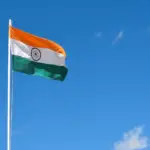
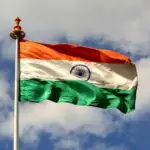
The story of the Tiranga is closely linked to India’s long and determined struggle for independence. Before 1947, several versions of a national flag were introduced during the freedom movement. Each design reflected the hopes and unity of Indians who stood together against British rule. Gradually, the flag evolved into a symbol that represented inclusiveness, equality, and the core values of the nation.
On 22 July 1947, the Constituent Assembly officially adopted the present design of the Indian National Flag. The Tiranga marked the beginning of a new chapter in India’s history—an independent country guided by truth, bravery, and justice. By removing religious symbols and adding the Ashoka Chakra, the flag clearly conveyed that India would stand as a secular and democratic republic.
The Tiranga as a Symbol of Unity in Diversity
India is a land of many languages, religions, traditions, and cultures. Despite these differences, the Tiranga unites the entire nation. It stands above all divisions and reminds citizens that, no matter where they come from, they share a common identity as Indians.
When the national flag is hoisted, it does not represent any one group or belief. Instead, it symbolizes equality and unity for every citizen. That is why the Tiranga holds a deep emotional and patriotic value in the hearts of millions.
The Tiranga in National Celebrations
The Tiranga holds a special place during India’s national celebrations and public events. On occasions like Independence Day and Republic Day, the national flag is proudly hoisted while the national anthem echoes with a sense of unity and pride. Educational institutions, government offices, and many organizations conduct ceremonies and programs that promote patriotism and remind citizens of the country’s shared values.
The Tiranga also represents India on the global stage. Whether it is during successful space missions, remarkable sporting achievements, or international diplomatic gatherings, the flag symbolizes the nation’s growing presence and respect around the world.
Tiranga and the Armed Forces
For the members of the Indian Armed Forces, the Tiranga stands as a symbol of honor, dedication, and sacrifice. Soldiers commit themselves to protecting the dignity of the national flag and safeguarding the sovereignty of the country.
When the Tiranga is respectfully placed over the coffin of a fallen soldier, it represents the nation’s deepest gratitude and tribute to their courage and service. For the armed forces, the flag remains a powerful reminder of their duty to maintain the country’s safety and integrity.
Manufacturing and Standards of the National Flag
The production of the Indian National Flag follows strict standards set by the Bureau of Indian Standards (BIS). Traditionally, the flag is made from Khadi, a fabric closely associated with self-reliance and the freedom movement led by Mahatma Gandhi.
Every aspect of the Tiranga—including its colors, dimensions, fabric, and overall design—must meet official specifications. These guidelines help preserve the dignity, uniformity, and authenticity of the national flag across the country.
Responsibility of Citizens Towards the Tiranga
Respecting the Tiranga is not limited to ceremonial events. It is also reflected in the everyday actions and responsibilities of citizens. Following laws, maintaining harmony, protecting public property, and contributing positively to society are all ways of honoring the spirit of the national flag.
The true respect for the Tiranga lies in living according to the values it represents—courage, peace, progress, justice, and unity. By embracing these principles, citizens demonstrate genuine respect for their nation.
Tiranga in Modern India
In modern India, the Tiranga continues to inspire pride and a strong sense of belonging, especially among young people. Initiatives like “Har Ghar Tiranga” have strengthened the emotional connection between citizens and the national flag by encouraging people to display it with respect and understand its deeper meaning.
In the digital age, the Tiranga is also widely visible on online platforms, global events, and international forums. It proudly represents India’s identity, achievements, and progress in the modern world.